Living Room Layout & Furniture Placement: Your Complete Guide
Your living room is the heart of your home, a place where you relax, entertain, and unwind. But getting the layout just right can feel overwhelming. How do you balance comfort with style? Where does everything go? Don’t worry this guide walks you through everything you need to know to create a living room that feels both beautiful and functional.
Start with a Floor Plan
Before moving a single piece of furniture, grab a measuring tape. Knowing your room’s exact dimensions is the foundation of any great layout. Measure the length and width of the space, and note where doors, windows, and outlets are located these will influence where your sofa, TV, and other pieces can realistically go.
Sketch a simple floor plan on paper or use a free online room planner. This lets you experiment with arrangements without the back strain. Aim to leave at least 18 inches of walking space between furniture pieces so the room flows naturally and nobody is bumping into corners.
Define Your Focal Point
Every living room needs a focal point, a visual anchor that draws the eye and organizes the rest of the layout. This could be a fireplace, a large window with a great view, a TV unit, or even a statement piece of artwork.
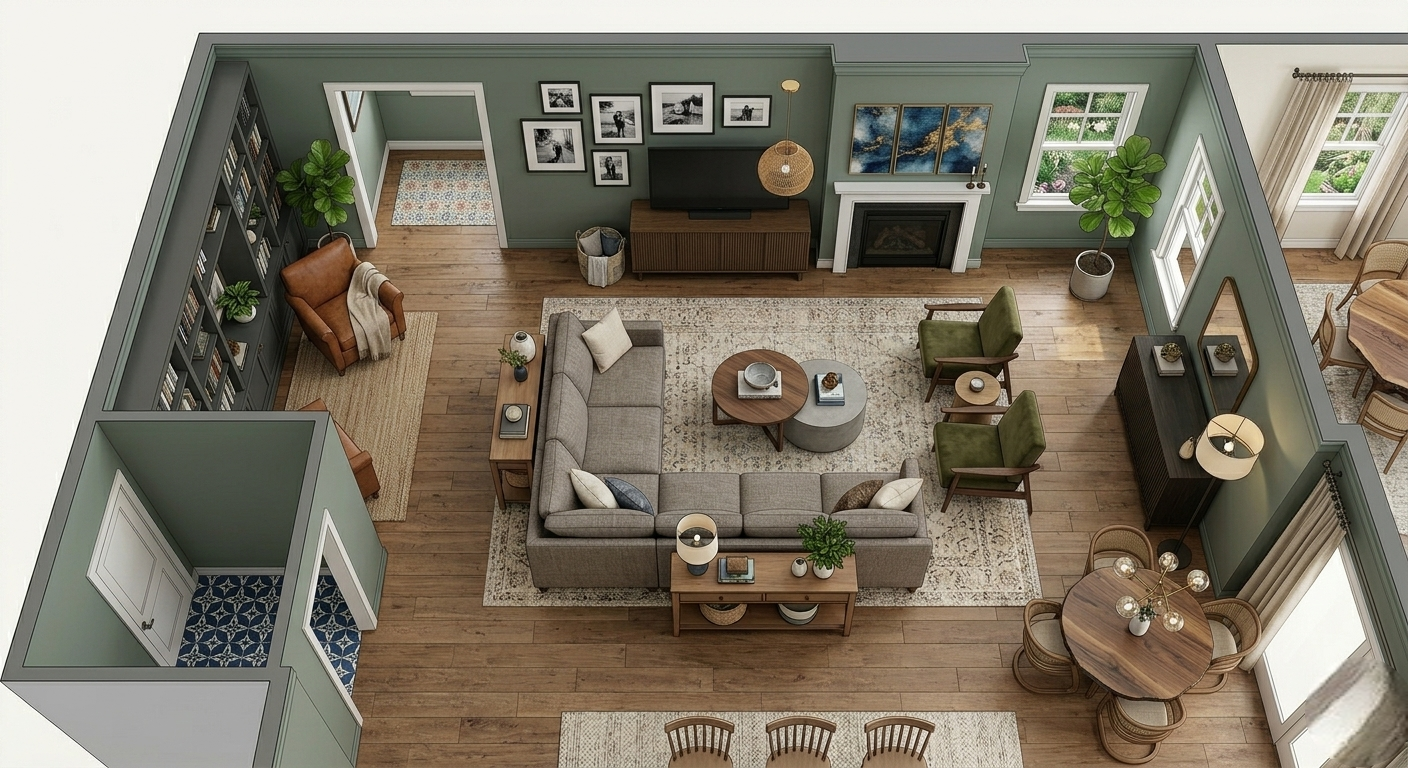
Once you’ve identified your focal point, arrange your main seating to face or angle toward it. This instantly gives the room purpose and cohesion. Avoid the common mistake of pushing all furniture against the walls floating pieces slightly inward actually makes the space feel larger and more inviting.
Sofa Placement: The Big Decision
The sofa is almost always the largest and most dominant piece of furniture in a living room, so placing it wisely is key. Here are a few tried-and-true arrangements:
Facing the focal point: Position your sofa directly across from the fireplace or TV for a clean, classic look that works in most room shapes.
L-shaped layout: An L-shaped sofa or a sofa paired with a chaise is ideal for larger rooms. It creates a cozy, enclosed conversation zone without blocking foot traffic.
Parallel seating: Two sofas or a sofa and loveseat facing each other work beautifully for social spaces. This setup encourages conversation and works well in long, narrow rooms.
Always ensure there’s a coffee table within comfortable reach roughly 14 to 18 inches from the edge of your sofa is the sweet spot.
Choosing and Placing Your Coffee Table
A coffee table does more than hold your cup of tea. It anchors the seating arrangement and ties the room together visually. Choose one that’s proportional to your sofa. A general rule is that it should be about two-thirds the length of the sofa.
Round tables are great for smaller spaces or homes with kids, as they eliminate sharp corners. Rectangular tables suit longer sofas and more formal layouts. If you’re short on space, a set of nesting tables offers flexibility without the bulk.
Side & Accent Tables
Often overlooked, side tables are the unsung heroes of a well-styled living room. They provide essential surface space next to a sofa or armchair for lamps, books, drinks, and decorative items making a room feel both practical and polished.
When shopping for modern side tables, look for designs that complement your existing furniture without competing with it. A sleek metal-and-glass piece adds an airy, contemporary touch, while a solid wood table brings warmth and texture. Living room side tables don’t have to match perfectly in fact, mixing materials and heights adds visual interest and a curated, layered feel.
The best accent tables for living room spaces are ones that balance form and function. Consider the height carefully ideally, the table surface should align with the arm of your sofa or chair for easy reach. Don’t overcrowd the room with too many tables, one on each end of the sofa and one beside a reading chair is usually more than enough.
Area Rugs: Grounding the Space
A well-chosen area rug can do wonders for a living room layout. It visually defines the seating zone and ties all the furniture together. The most common mistake people make? Choosing a rug that’s too small.
In most living rooms, you’ll want either all furniture legs on the rug, or at least the front legs of each piece resting on it. A rug that’s too small makes furniture look like it’s floating in an awkward way. A generous rug, on the other hand, makes even a modest room feel rich and intentional.
Lighting: Layers Make the Difference
Lighting is often the last thing people think about, but it’s one of the most powerful elements of any room layout. Relying solely on one overhead light creates a flat, uninviting atmosphere.
Instead, aim for three layers of lighting ambient (your main overhead source), task (like a floor lamp beside your reading chair), and accent (table lamps, sconces, or LED strips that add warmth and depth). Position floor lamps near seating areas and use table lamps on your side and accent tables to create a cozy, well-lit glow throughout the room.
Final Tips for a Balanced Layout
• Scale matters: Mix furniture heights and sizes to keep the eye moving around the room.
• Leave breathing room: Avoid cluttering the space less is often more.
• Think about traffic flow: Make sure there’s a clear path from room to room.
• Personalize it: Add plants, artwork, and accessories that reflect your personality. A well-laid-out room should feel like you.